Great Research: A Modern Display Font for Editorial Excellence
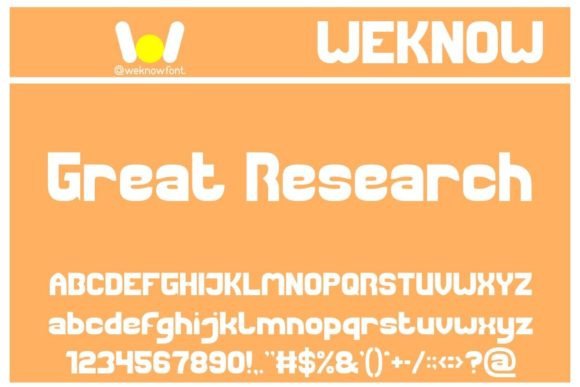
There’s something deeply satisfying about the moment when a font finds its place in a layout. Recently, while redesigning the header of a lifestyle blog, I stumbled upon Great Research, a display font that instantly felt like a natural fit. Its sleek typography and modern rhythm made it an ideal choice for a project that needed both visual impact and editorial clarity.
Great Research for Lifestyle Blog Headers and Editorial Branding
Great Research is a versatile sans-serif display font that effortlessly transitions between digital and print environments. Its clean lines and balanced proportions lend themselves well to blog headers, where it can command attention without overwhelming the reader. When I used it on a lifestyle blog redesign, the contrast between the bold Great Research title and the accompanying serif body text created a harmonious visual hierarchy that guided the reader smoothly through the content.
The font’s modernist leanings also helped establish a consistent publication identity. It paired beautifully with minimalist photography and soft color palettes, reinforcing the blog’s focus on wellness and mindfulness. Whether it was used for headlines or callout sections, Great Research maintained a calm, professional tone that aligned perfectly with the brand’s voice.
Great Research in Recipe Ebooks and Digital Magazines
In another project—a recipe ebook—Great Research proved to be a revelation. The font’s readability at larger sizes made it perfect for chapter titles and section headings, while its subtle weight variations allowed for a clear distinction between main ingredients and instructions. I found that it performed exceptionally well in digital magazine layouts, where it could anchor a page without competing with illustrations or photographs.
One of the key strengths of this display font is how it supports content structure. For instance, when designing a feature spread on seasonal cooking, I used Great Research for pull quotes and decorative accents, ensuring that these elements stood out but didn’t disrupt the flow of the article. The result was a layout that felt both organized and visually engaging.
It’s worth noting that while Great Research excels in titles and headings, it may not be the best choice for dense paragraphs or small captions. However, for editorial design that prioritizes visual storytelling, it’s an excellent option to consider.
Great Research for Newsletter Graphics and Course PDFs
I recently tested Great Research in a creator newsletter, and the response from readers was overwhelmingly positive. Used as the primary font for the header and featured articles, it added a touch of sophistication without feeling too formal. The font’s legibility on screens made it a strong contender for newsletter graphics, especially when paired with a clean sans-serif font for body copy.
In a course PDF I designed, Great Research played a crucial role in defining the structure of each module. As the title font, it provided a sense of authority and professionalism, which was essential for a learning resource. The font’s versatility allowed me to use it for chapter openers, section headers, and even decorative elements like icons and borders, all while maintaining a cohesive brand identity.
For those looking to enhance their digital product designs, I recommend checking the included styles and alternates in Great Research. These features can elevate your font pairing strategies and add depth to your layouts, especially in more complex projects like printable planners or coaching workbooks.
Whether you’re working on a lifestyle blog, recipe ebook, wedding guide, or coaching workbook, Great Research offers a reliable and stylish solution for your display font needs. Its blend of modernity and readability makes it a valuable asset in any editorial designer’s toolkit.