Glass On Font for Playful Web Design
Glass on for Hero Sections and Brand Statements
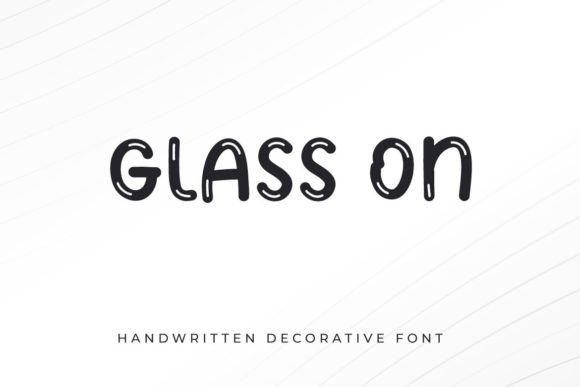
When I first tested Glass On, a handwritten font with a fun and playful style, I was working on the hero section of a boutique online store. The client wanted to convey creativity and approachability, and Glass On fit perfectly in the headline. As a display font, it added personality without overwhelming the design.
I placed the font over a vibrant image banner and noticed how well it balanced the visual weight of the background. It wasn’t too casual for a commercial site, but still felt warm and inviting. This made me think about how Glass On could be used effectively in any website that needs a touch of whimsy while maintaining professionalism.
Glass on for Social Media Content and Campaign Pages
Next, I experimented with Glass On on a campaign landing page for a digital marketing agency. The goal was to create a sense of urgency and excitement around a limited-time offer. Using Glass On for the call-to-action button text and promotional headlines gave the layout a dynamic feel.
The font’s handwritten nature helped draw attention to key messages, especially when paired with a clean sans serif font for body copy. This combination created a strong visual hierarchy, making it easier for users to scan through the content and find what they needed quickly.
It also worked well for social media content—particularly in posts that aimed to engage younger audiences or promote creative workshops. The playful look of Glass On made the brand feel more relatable and human.
Glass on for Product Landing Pages and Online Store Banners
For an online store selling handmade crafts, I used Glass On as the main font for product titles and promotional banners. The font's charm complemented the artisanal vibe of the products. It didn’t distract from the images but instead enhanced the storytelling aspect of each item.
I paid close attention to readability on mobile screens, ensuring that the font size and spacing were optimized for smaller devices. Since Glass On is a display font, I reserved it for short phrases and headings rather than using it for large blocks of text. This kept the design clean and legible across all platforms.
On desktop, the font looked great over dark backgrounds, adding contrast and depth to the layout. However, I avoided using it on light backgrounds where it might have appeared less defined. It’s important to test different color combinations to ensure that the font remains clear and readable in every context.
Glass on for Blog Headers and Editorial Design
While working on a blog redesign, I considered Glass On for post headers and category titles. The font’s handwritten style gave the blog a personal touch, which aligned with the writer’s voice. It was particularly effective for lifestyle and creative content, where a friendly tone was desired.
I paired Glass On with a modern sans serif font for the body text, which allowed the display font to stand out without causing visual fatigue. This pairing is common in editorial design and helps maintain a balance between decorative elements and readability.
Another benefit of using Glass On in this context was its versatility. It could be used for both short and long-form content, as long as it was applied strategically. For example, it worked well as a heading for featured articles but wasn’t suitable for lengthy paragraphs due to its script-like appearance.
Glass on for Portfolio Sites and Creative Projects
When designing a portfolio homepage for a graphic designer, I chose Glass On as the primary font for project titles and taglines. The font’s playful yet elegant look matched the creative identity of the designer. It also helped differentiate the portfolio from other sites that used more traditional typefaces.
One challenge was ensuring that the font didn’t clash with the overall aesthetic of the site. To avoid this, I used it sparingly and focused on using it in areas where it would add value, such as in section headers and feature highlights. I also made sure to check that the font had good webfont availability and supported the necessary file formats for cross-browser compatibility.
Overall, Glass On proved to be a great choice for creative projects. Its unique character made the portfolio feel more personal and engaging, which is essential for attracting potential clients or collaborators.
Glass on for Advertising and Promotional Materials
In a recent project for a local business, I used Glass On in digital ads and promotional materials. The font’s hand-drawn look gave the ads a fresh and energetic feel, which resonated well with the target audience. It was especially effective in campaigns targeting children, students, or young professionals who appreciated a more casual and fun approach.
For these ads, I used Glass On for headlines and subheadings, keeping the body text in a simple, easy-to-read font. This ensured that the message remained clear and that the font didn’t become a distraction. I also tested different weights and alternates of the font to see which ones performed best in various layouts.
Since Glass On is a handwritten font, it brought a sense of authenticity to the advertising materials. This helped build trust with the audience and made the brand feel more approachable and genuine.